EXCLUSIVE: How Williams rebuilt their iconic FW18 F1 car – 30 years on from title glory
F1.com caught up with the Williams Heritage department during a special team reunion at this year’s Goodwood Festival of Speed.

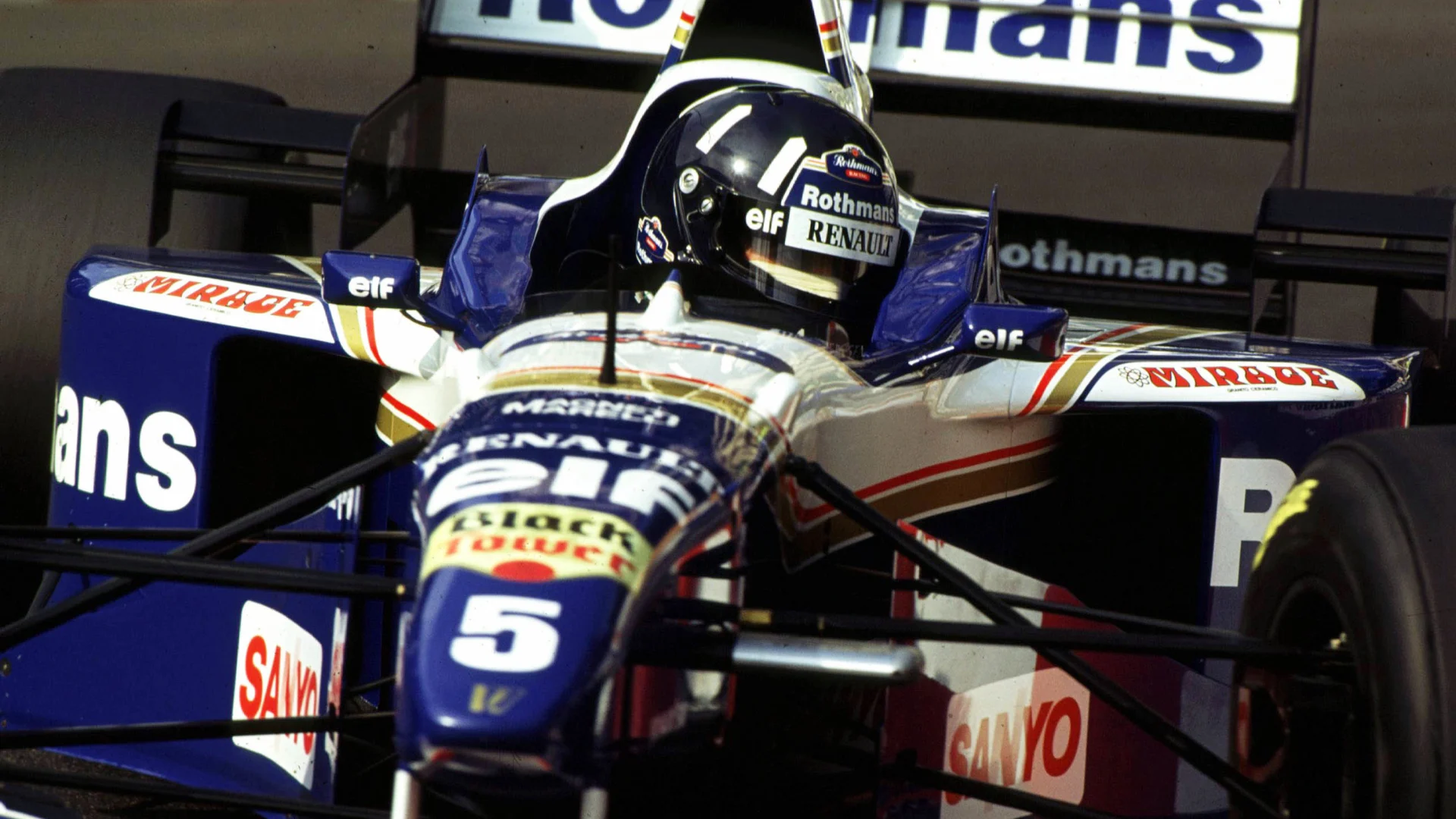
Back in 1996, Williams wrote one of the most successful chapters in their F1 story – claiming 12 pole positions and 12 victories out of 16 Grands Prix, racking up 21 podium finishes, and winning both the Drivers’ and Teams’ titles.
It was a remarkable season for Frank Williams’ squad, whose FW18 creation – overseen by Patrick Head and Adrian Newey – blew the competition away, despite reigning World Champion Michael Schumacher’s best efforts with the Ferrari outfit he had just joined.
Damon Hill was central to the story, having overcome the challenge posed by younger team mate Jacques Villeneuve, sealed the deal at the Japanese Grand Prix finale, avenged his controversial 1994 defeat to Schumacher and joined his late father Graham as an F1 title winner.
Despite that success, Williams dropped Hill after the ’96 campaign, with Heinz-Harald Frentzen already signed up as Villeneuve’s new team mate – sending the Briton in the direction of Arrows, Jordan and then retirement from F1.
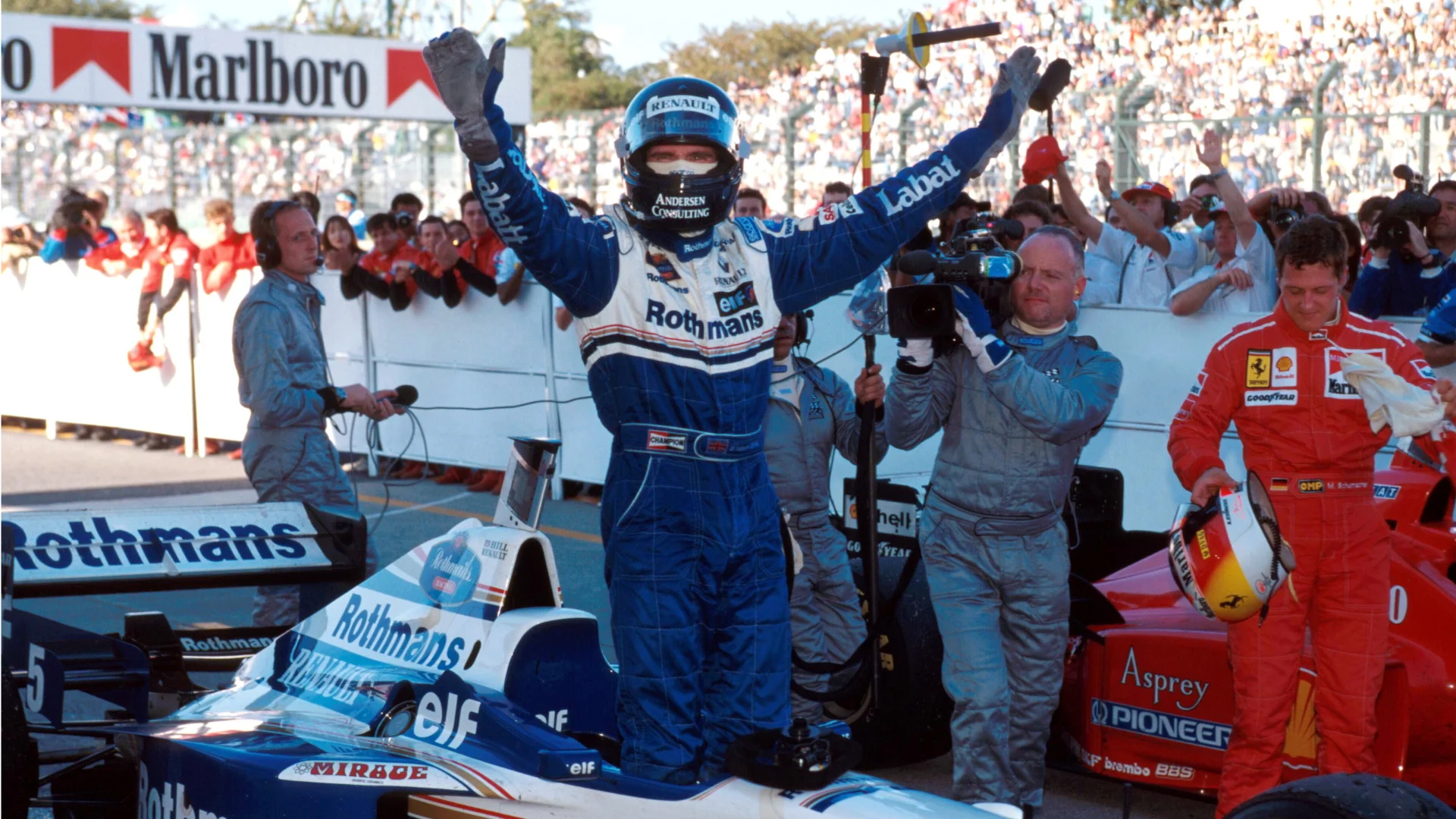
It could have marked the end of the Hill/Williams story, but thanks to the team’s dedicated Heritage department – who, in their own words, look after the “Crown Jewels” – special reunions are becoming more and more frequent.
Hill and the FW18 meet again
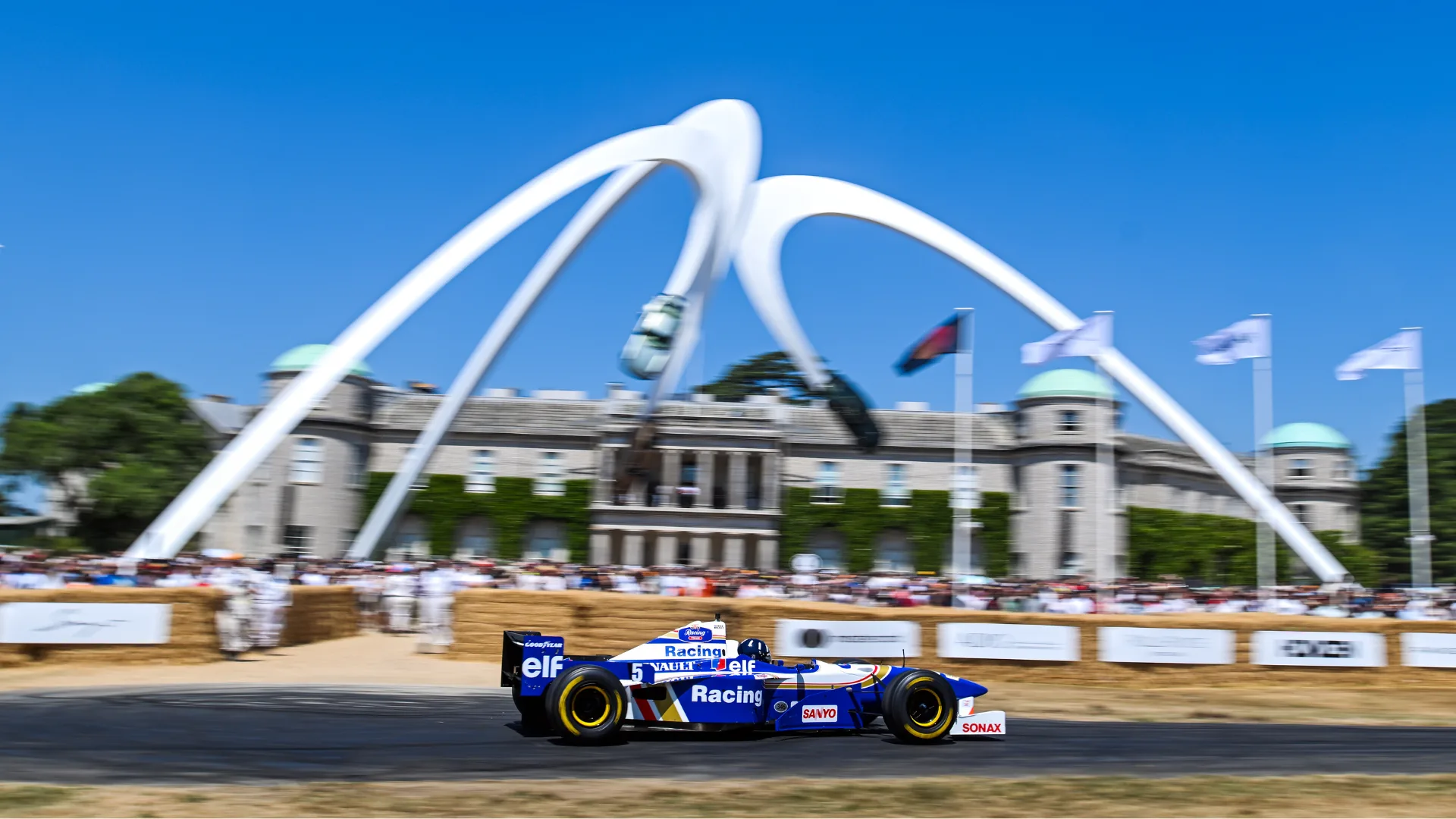
And so, some 30 years after Hill’s crowning F1 moment, Williams Heritage lovingly restored Chassis 4 from the pool of remaining FW18s, just in time for their former driver to get back behind the wheel at last month’s Goodwood Festival of Speed.
It marked the latest milestone project for the ever-growing Heritage team, run by Director Jonathan Kennard, who as “a massive Damon fan growing up” happily talked F1.com through the process in a gap between Hill’s outings.
“It’s an incredibly special car and chassis for us, winning four Grands Prix with Damon in the middle part of the year,” says Kennard. “Naturally, we’ve got a real soft spot for it.
“It hadn’t run for a few years, so it was a case of getting it into the workshop, understanding what we’ve got around us, what condition the whole car was in, stripping it back to the bare chassis – so much so that we actually took the paint off and repainted it again.
“We’ve got the archive of the design, so if we had a question on that side of things – not just the design, but the engineering side – like, ‘Why did we do something the way we did it in 1996?’, we could look up the engineers’ notes and find the answer quite quickly. To have that resource in Heritage, literally in the office next door, is wonderful.
“We then built the car back up with some of the original guys that worked on it in ’96, and it’s been a bit of a labour of love. But it’s an important car, and we wanted to make sure it was absolutely perfect.”
On the subject of driver/team reunions, he continues: “To still be able to call on Damon and other drivers like that – we had Juan Pablo Montoya [and the FW26 from 2004] a couple of years ago – and get them back in our cars is really important for us.
“It’s wonderful as well to see the relationship between those drivers and the mechanics that we still have in our team. There’s a lot of ribbing between them and Damon here, and it’s a really good camaraderie that is 100% still there, 30 years on.”
As for Hill himself, the now 65-year-old cut an emotional figure throughout the weekend – from seeing the restoration for the first time, to getting back into the car, and finally sending it up Goodwood’s famous hill.
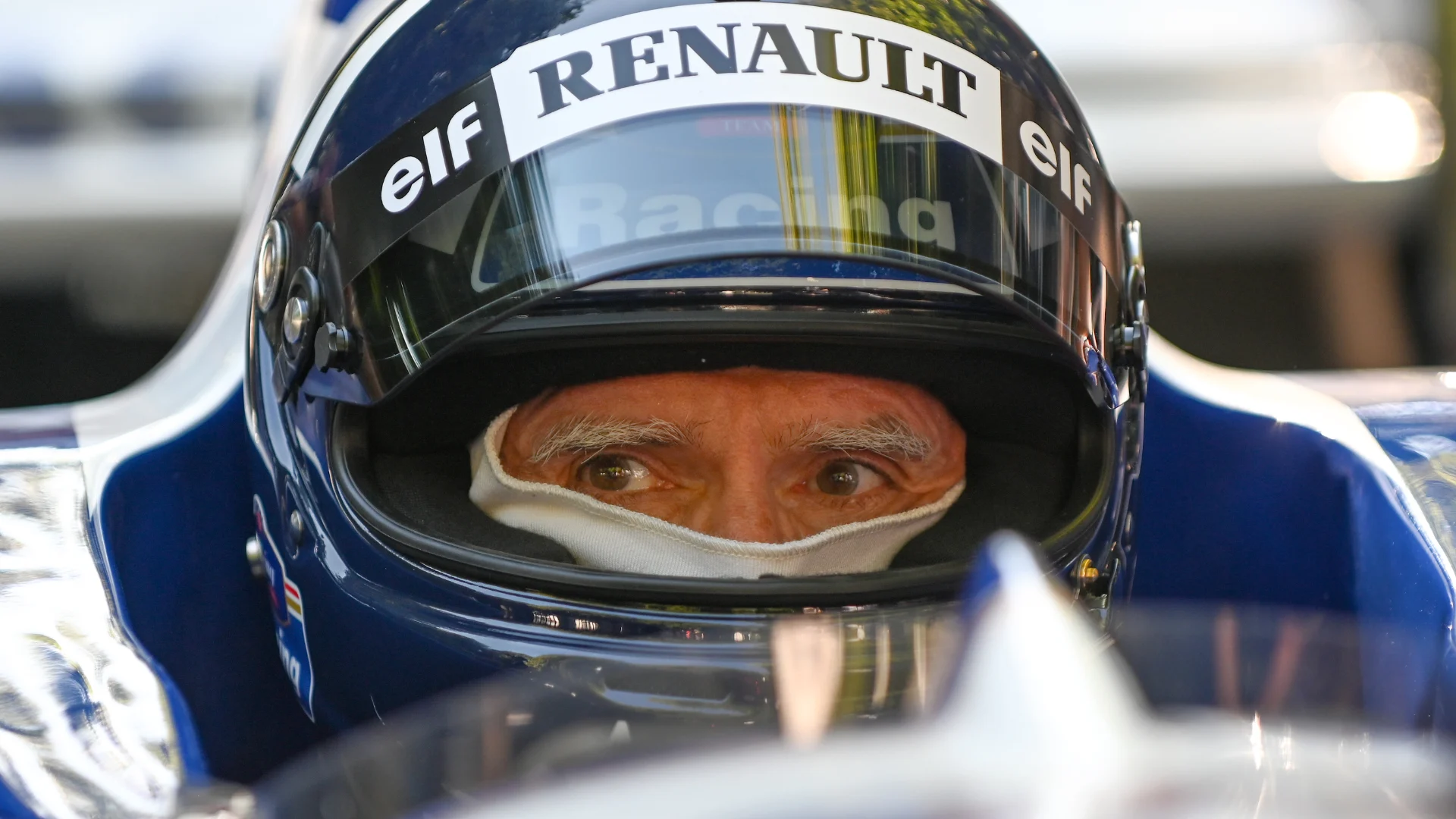
“It’s very personal to me, that car,” Hill comments. “Although I don’t own one, I definitely regard it as my car. It’s a bespoke car for my dimensions, and I really appreciated that when I was racing, because everything was in the perfect spot. I really feel at home in it.
“I did drive the car [at Goodwood] when Frank was here, 10 or so years ago, and that was extremely emotional – getting back in the car for the first time since getting out of it at Suzuka.
“Even now it has that power to bring [out] all the emotions. Going up the hill, when you open it up, you realise it was a pretty frisky little thing! It was just beautifully proportioned, the weight of it and the power of it. It really goes and it really works. It’s fantastic.”
Echoing Kennard’s sentiments, he adds: “The mechanics looked after me during that championship year, and they made sure everything worked. I’m very, very grateful to them, and it’s great to see some of them still here helping me, and looking after me.”
Five months of hard graft
So, following those kind words, how do the mechanics feel about the project?
Ian Mellor, a trusted Williams crew member back in the day, laughs when recalling the moment Hill first saw the refreshed FW18: “Damon was about to put his phone on the car and went, ‘Ah, I guess it has been repainted?’ I said, ‘Yes, Damon!’”
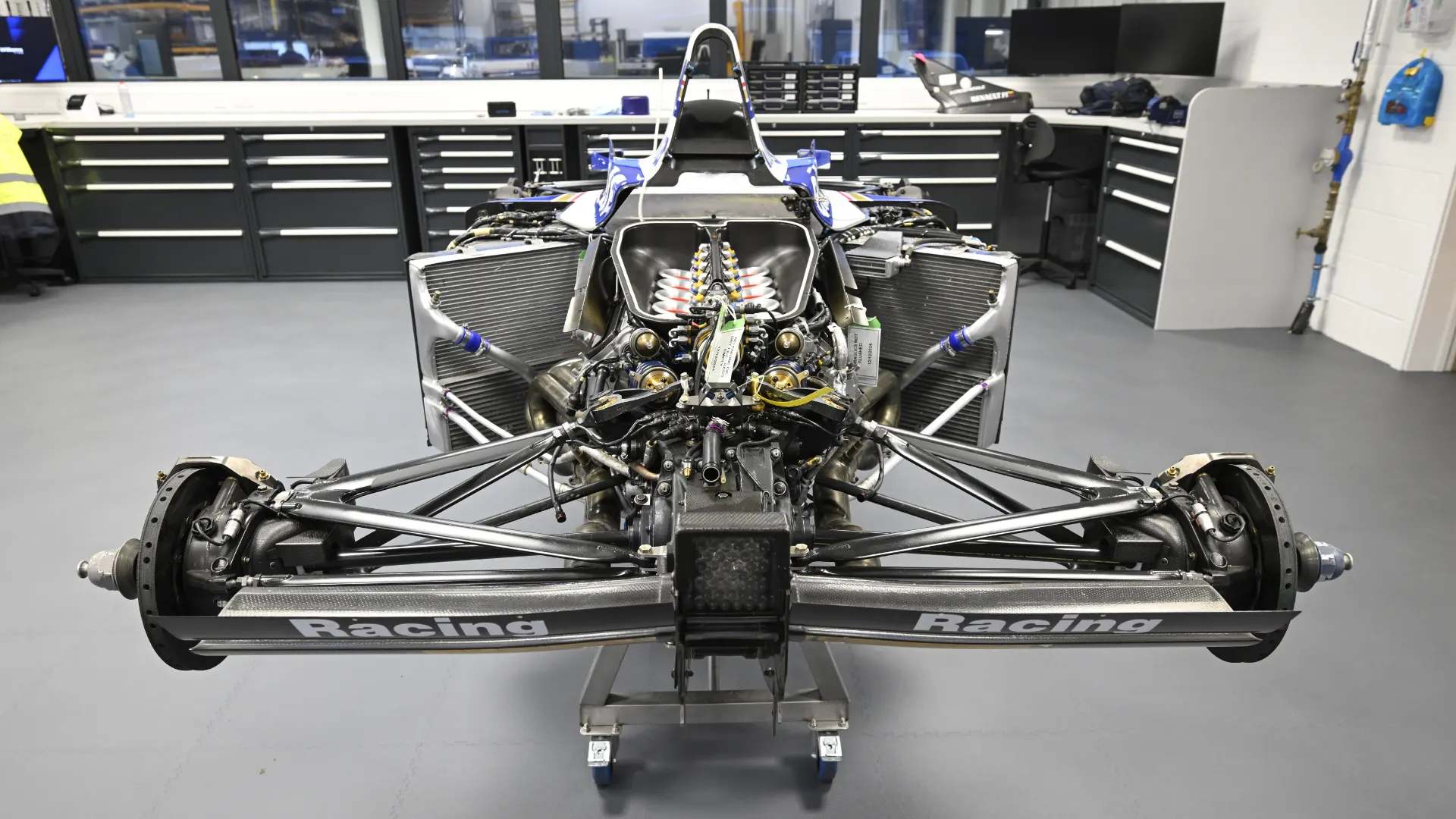
On a more serious note, Mellor impressively runs through the full list of checks and changes made to the car – powered by a Renault V10 engine – over a period of around five months.
“It was brought into the workshop in February time,” he says. “The chassis went off for NDT (Non-Destructive Testing). While that was away, the hydraulics were all serviced over at the main factory, the [suspension] wishbones NDTd, brake lines pressure checked, the [suspension] upright stripped, NDTd and rebuilt, the gearbox stripped, NDTd and rebuilt…
“It also had a brand-new fuel cell, all the pumps in the fuel tank were checked and serviced, the radiators were sent away to be cleaned and flushed, the same with the hydraulics, and then when all the components came back, we reassembled the car!”
Looking over his shoulder at the finished article, he smiles: “It’s a pretty iconic car, and it’s our most successful car, so it’s quite a privilege to put it back on the track.
“Even in the paddock today, I heard a mechanic [from another team] say, ‘Wow, look at the prep on the Williams cars’. We take a lot pride in it, because obviously we still carry Frank’s legacy, and we worked for him.”
Colin Watts, who like Mellor worked with Hill through 1996, chips in: “To see Damon today, and to say hello again… We do see him now and again, but it’s a fantastic thing that he still remembers us and comes up to say hello. It brings a tear to your eye!
“It was a great season. It was the most successful season we’ve had: 12 wins out of 16 races, with Damon getting eight of those, and winning the Constructors’ by over 100 points. It doesn’t get a lot better than that, does it?”
At this point, Mellor and Watts point to their younger colleague, Ollie Goodenough. In his mid-20s, he represents the next generation of mechanics who will play a key role in keeping Williams’ legacy – and the stories about their various cars – alive for years to come.
“It’s a massive privilege to be a part of it, to be surrounded by such knowledgeable people, to share some of the memories, and to be passed down some of the antics and the great success that went on at the time,” he explains. “I can tap into that time capsule.
“The diversity and range that we have at Heritage is a massive factor for me being in this department, as opposed to maybe pursuing something else. It’s exciting to work on so many different projects. I don’t think I intend on giving that up – it’s why I do what I do.”
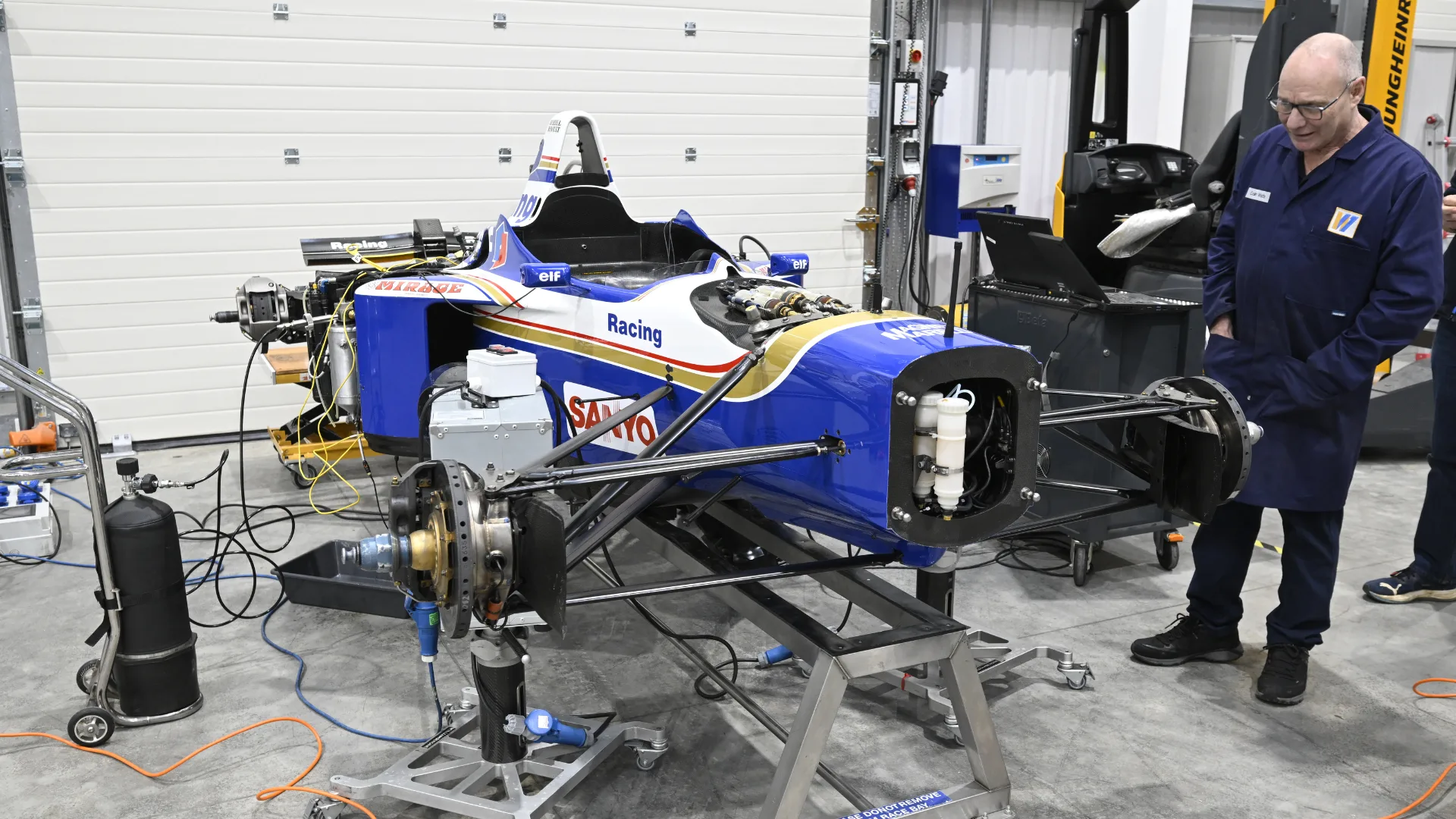
He adds: “My job is a bit different to what some of my mates do! I think they can’t quite get a grasp of it. It’s definitely an encapsulating experience.”
Heritage’s back to the future story
One man particularly inspired by the work of Mellor, Watts, Goodenough and the rest of the Heritage operation is Williams team boss James Vowles, who joined Hill in sampling the rebuilt FW18 across the Goodwood weekend.
“It’s not just the outside that’s immaculate,” he makes clear, with the classic blue-and-white livery glistening in the summer sun. “It’s an incredible racing car. From the gear shifts to the clutch, to the control, to the directness of feedback, to the balance. It responded beautifully. I’m so impressed with our team – they’ve done an incredible job.
“The other thing is that it’s a dream come true. There are elements of this job that are breathtaking, that you can’t believe you have an opportunity to do, and today’s one of those. I remember watching Damon fight for his championship on TV as a young boy, and to have the opportunity to drive it, I just would never have imagined it.”
So, with another successful restoration under their belts, what’s next for Williams Heritage?
“As the director of the department, I feel a very big responsibility to get it right and look after Frank’s legacy, whilst becoming quite a modern department at the same time,” says Kennard. “It’s weird saying Heritage is a modern department, but that’s the way we’re going.
“We’ve made a lot of changes over the last couple of years, and we’re in a really good position, but we don’t want to ever forget our history, obviously. It’s making sure that is looked after and Frank can look down with some pride at what we’re doing still.”
Pointing to the team’s 50th anniversary in 2027, he adds: “We’ll be celebrating it as it needs to be celebrated. From a Heritage standpoint, it’s really to have as many running cars as we possibly can, while also carrying on the day-to-day work that we’re doing.
“Our goal is to celebrate all of Heritage, and all of Williams’ history, really. There’s a lot of love for Williams, for Frank and Patrick, and for everything that we’ve done. We need to do a lot between now and then, but it’s definitely worth celebrating.”
%20(1).webp)
Next Up
Related Articles
 UnlockedInside the F1 driver's bubble: The sports psychologist
.webp) How Cadillac’s 2026 season has played out so far
How Cadillac’s 2026 season has played out so far Mercedes braced for a ‘more intense’ second half to 2026
 UnlockedInside the F1 driver’s bubble: The driver manager
 Cadillac announce Marcin Budkowski as new Team Principal
 How Aston Martin’s 2026 season has played out so far