Haas single out big challenge of 2026 car as Komatsu explains ‘aggressive’ development
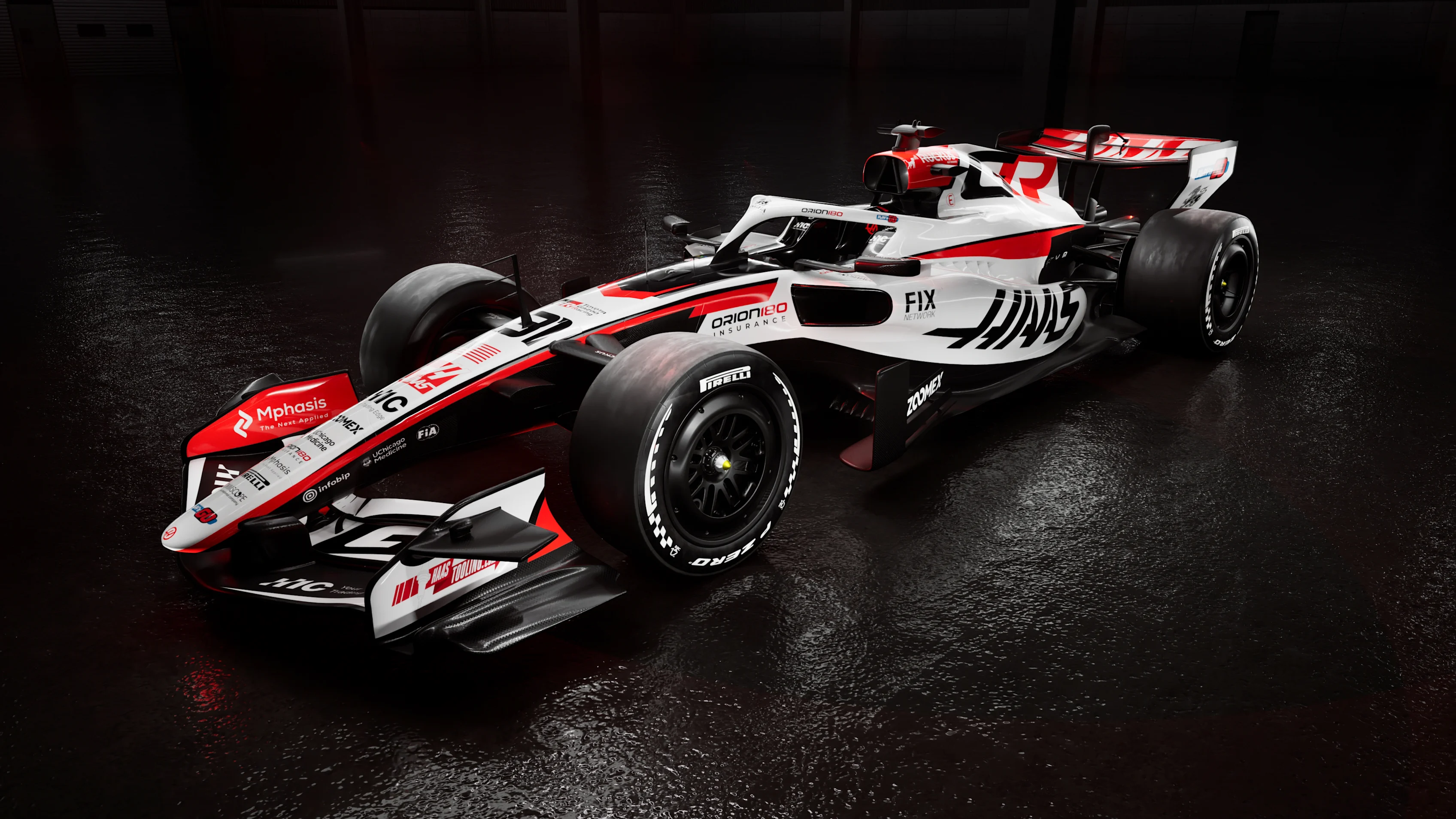
Amid the launch of their 2026 livery, Haas’ Ayao Komatsu and Andrea De Zordo have given an insight into their expectations for the season ahead.
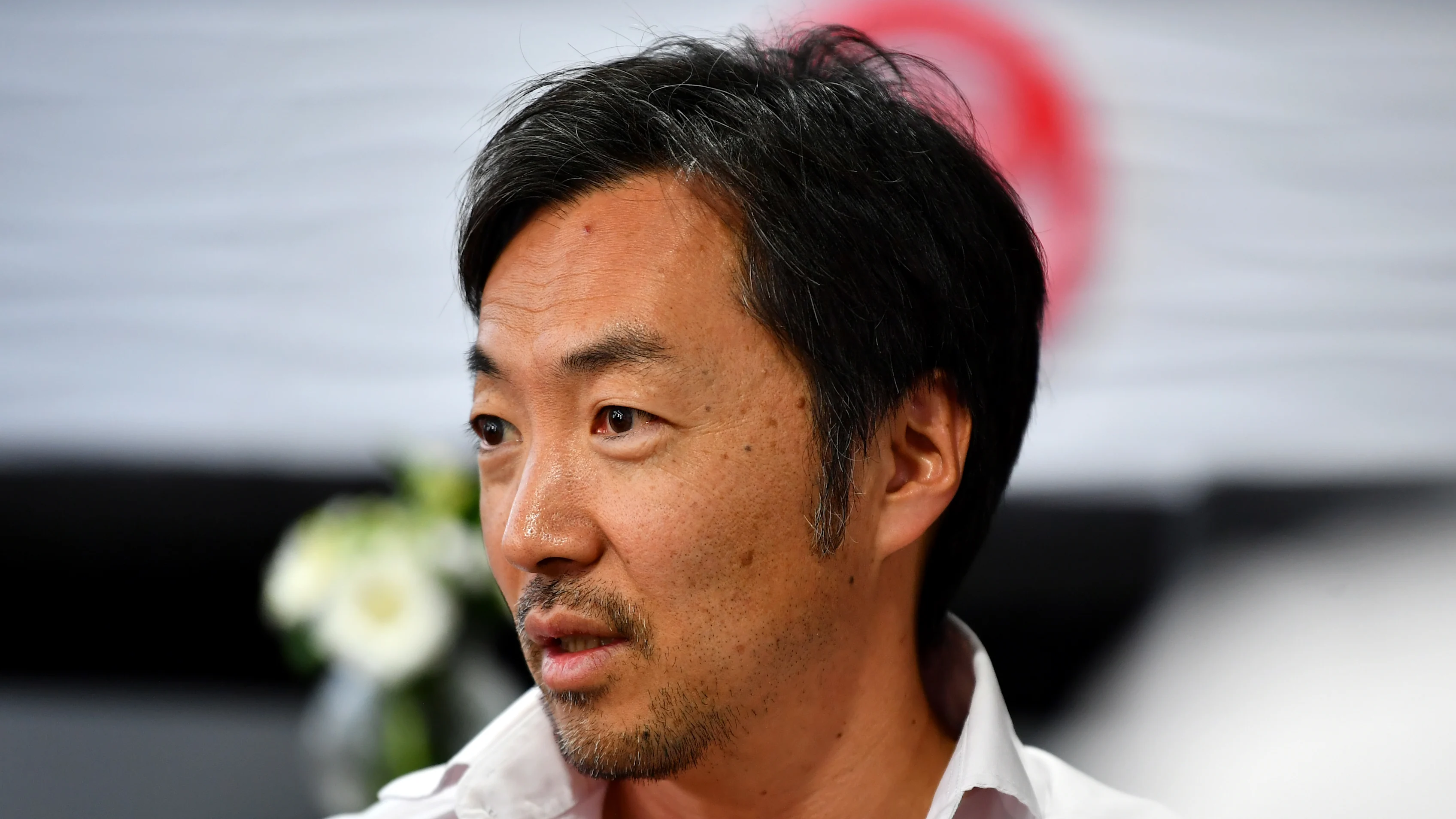
Haas are expecting energy management to be one of the key challenges of their 2026 challenger amid significant power unit changes, with Team Principal Ayao Komatsu also suggesting that adapting to the new regulations means that the cars will develop rapidly between the Barcelona shakedown and the season-opening Australian Grand Prix.
Amid a wave of new rules for the upcoming season, several teams opted to switch focus to 2026 at an early stage in the 2025 season – and Haas were no different, with Technical Director Andrea De Zordo sharing further details about this following the unveiling of the squad’s new livery.
“It actually started in the second half of 2024 with a small group looking at the concept of the new car, and it remained with that group until the launch of the VF-25,” he explained. “The split between resources from there continued to increase towards the 2026 program, fully switching over after the summer break last season.
“We had a small group still working on the VF-25 until pretty late on due to the tight championship fight, and that was a challenge to manage. It was about deciding the main points of focus for both 2025 and 2026, without losing too much time on what we knew would be a big season.”
Looking ahead to where he expects to see the biggest gains in the new regulations, De Zordo answered: “It’s a good question. It’s difficult to predict now before the first race, and we’re always interested to see if someone has come up with something new.
“This year, that’s very relevant because literally everything is new, including the power unit. There’s going to be a lot of work initially on both the aerodynamics and power unit, and in both I expect there to be a fast evolution – what that will be – I can’t say.”
Despite the unknowns, De Zordo believes that learning to manage energy on the power unit side of development will be crucial.
“For sure, the new regulations will change the balance between aero and energy management,” the Italian said. “Initially with the PU, as it’s all so new, there is – not necessarily more to gain, but a lot more to lose if you don’t do well. To understand how it works and how to maximize that will probably be the most important part.
“After a certain time, when drivers, teams and also power unit suppliers learn more about this new way of racing, then gradually the performance on the energy side will converge between competitors. The main differentiator will then go back to being on the aero side, but I think initially, managing that energy side will be critical this year.”
Komatsu conceded that adapting to the new regulations is “hugely exciting, but at the same time it's very, very nerve-wracking”, adding: “We’re growing as a team in a pretty aggressive way, and at the same time, we’re tackling these brand-new regulations.
“It's a huge challenge, but we’ve already shown from what happened in Melbourne last year how we recovered from that, and we’ve haven’t stopped improving since.”
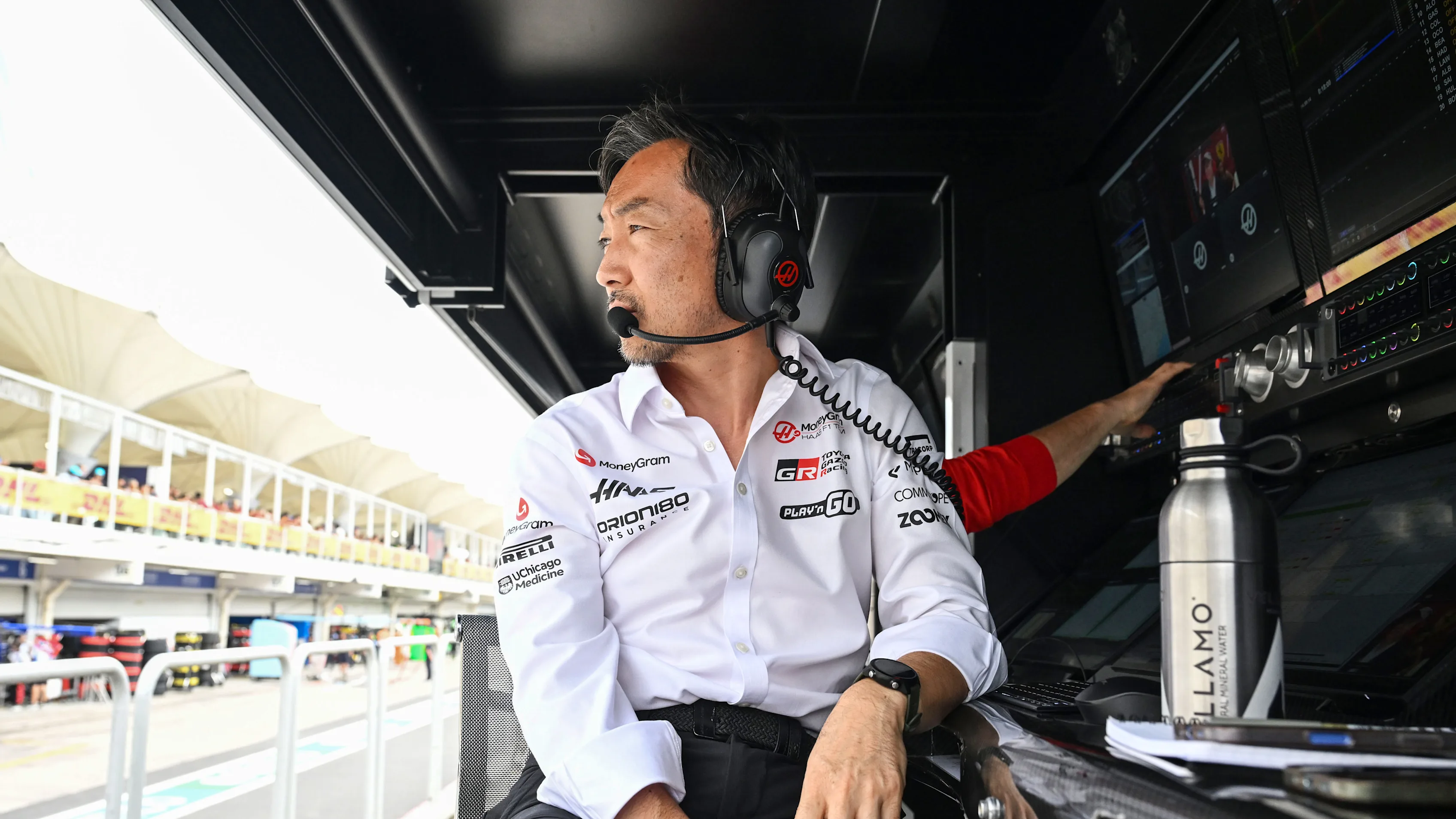
The teams and drivers will soon be hitting the track as part of the Barcelona shakedown – taking place from January 26-30 – but Komatsu believes that the cars will change between this point and the first race of the season in March.
“The car everyone will see in Barcelona won’t be the car that races in Australia, and I think that will be across the board, because it's simply too early,” he explained. “It’s different perhaps having one test two weeks before the first race, but with over a month before the first race, teams won’t stop wind tunnel development.
“Hence, the cars testing in Barcelona, and even the first week of testing in Bahrain will be less mature compared to what’s built in Australia for the first race.”
Komatsu also echoed De Zordo’s view on the challenges posed by the new power unit.
“Between Barcelona shakedown week and the final Bahrain test, you will see very different cars across the grid focused on their aero package, because on the PU side of things, the hardware is pretty much set. How we’re going to use that PU, that’s the biggest thing,” the team boss said.
“In Barcelona, everybody is going to be focused on how best to optimize energy usage, and that needs to develop very quickly for everyone.”
Next Up
Related Articles
 BettingConstructors' title battle heating up for F1 bettors
 When is the earliest Antonelli could win the title?
 What time is the 2026 Azerbaijan GP and how can I watch it?
 UnlockedTREMAYNE: Why I’m delighted the Portuguese GP is back in 2027
 Mekies offers update on Hadjar's injury recovery
.webp) 10 of the best off-track F1 moments from 10 years in Baku
10 of the best off-track F1 moments from 10 years in Baku