Sainz handed grid penalty for Las Vegas Grand Prix after turbo change
Williams have fitted a new turbo to both their cars, with the change exceeding Carlos Sainz's allocation for the season.
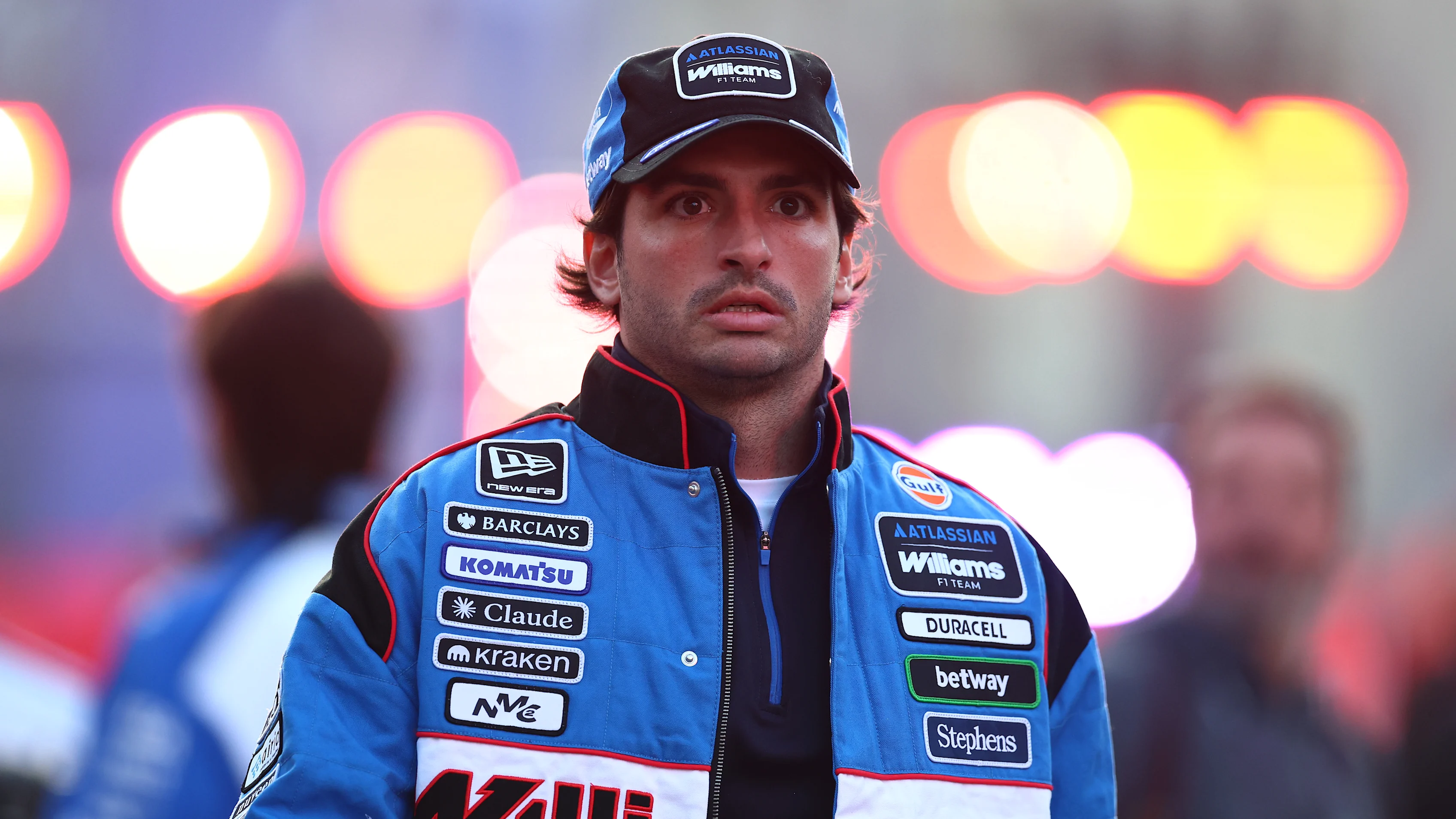
Williams driver Carlos Sainz is set to take a grid penalty for this weekend's Las Vegas Grand Prix, the team have confirmed.
Sainz will serve a 10-place grid drop after Qualifying, with the team installing a new turbo to his car which has exceeded the Spaniard's allocation for the season.
A statement from Williams read: "Alex [Albon] and Carlos will both run the ADUO-enabled turbo specification this weekend.
"Carlos will take a 10-place grid penalty, as it will be his fifth turbocharger and exceeds the permitted annual allocation."
Williams currently sit P9 in the teams' standings after a difficult campaign under the new-for-2026 regulations, 16 points adrift of Audi and only five points ahead of Aston Martin.
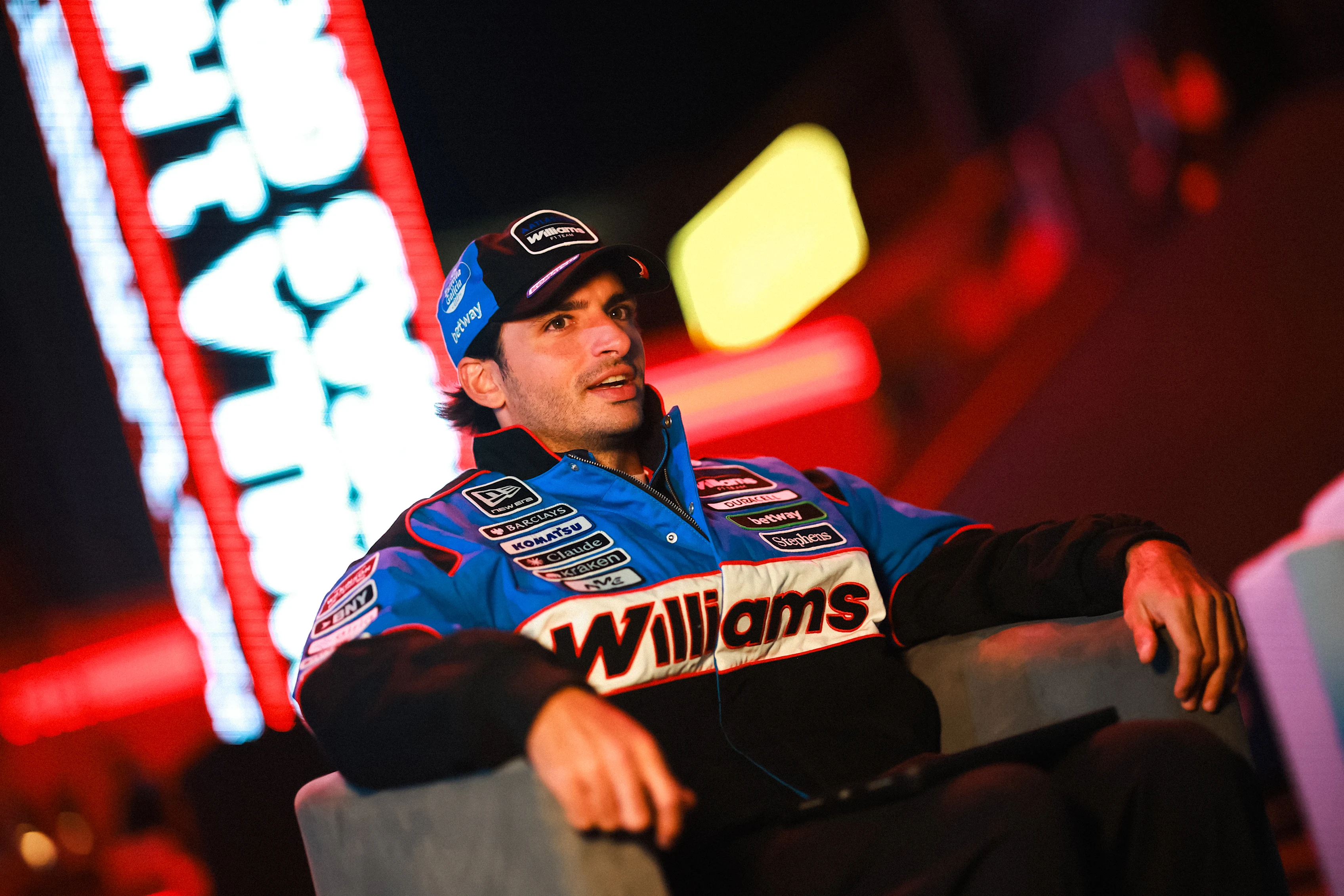
Mercedes have introduced its new turbo for this weekend, with several drivers across the field at customer teams including Williams, as well as McLaren and Alpine, utilising the new upgrade.
This includes both McLaren drivers Lando Norris and Oscar Piastri, with the latter also set to serve a 10-place grid penalty after having his internal combustion engine (ICE) changed and exceeding his limit of four for the season.
Mercedes driver George Russell admitted on Wednesday's media day in Las Vegas that he has opted not to use the new turbo, believing victory is possible without it and not wishing to suffer a grid penalty of his own.
Team mate Kimi Antonelli stated that even with the upgrade "we don't expect any major performance gain from" the new turbo, but that it will help more with reliability and drivability.

Next Up
Related Articles
 'We can get rid of the noise' – Bottas after future confirmed
 Camara offers update on plans for final races of 2026
 Why Cadillac have stuck with Bottas for 2027
 Formula 1 and Nike join forces in long-term partnership
 Komatsu insists there is 'no doubt' over Bearman’s Haas seat
 UnlockedThe F1 braking system innovation that could soon be revealed