EXPLAINED: What is the F1 cost cap and why has it gone up?
Here is all you need to know about F1's cost cap and why it has increased in 2026.

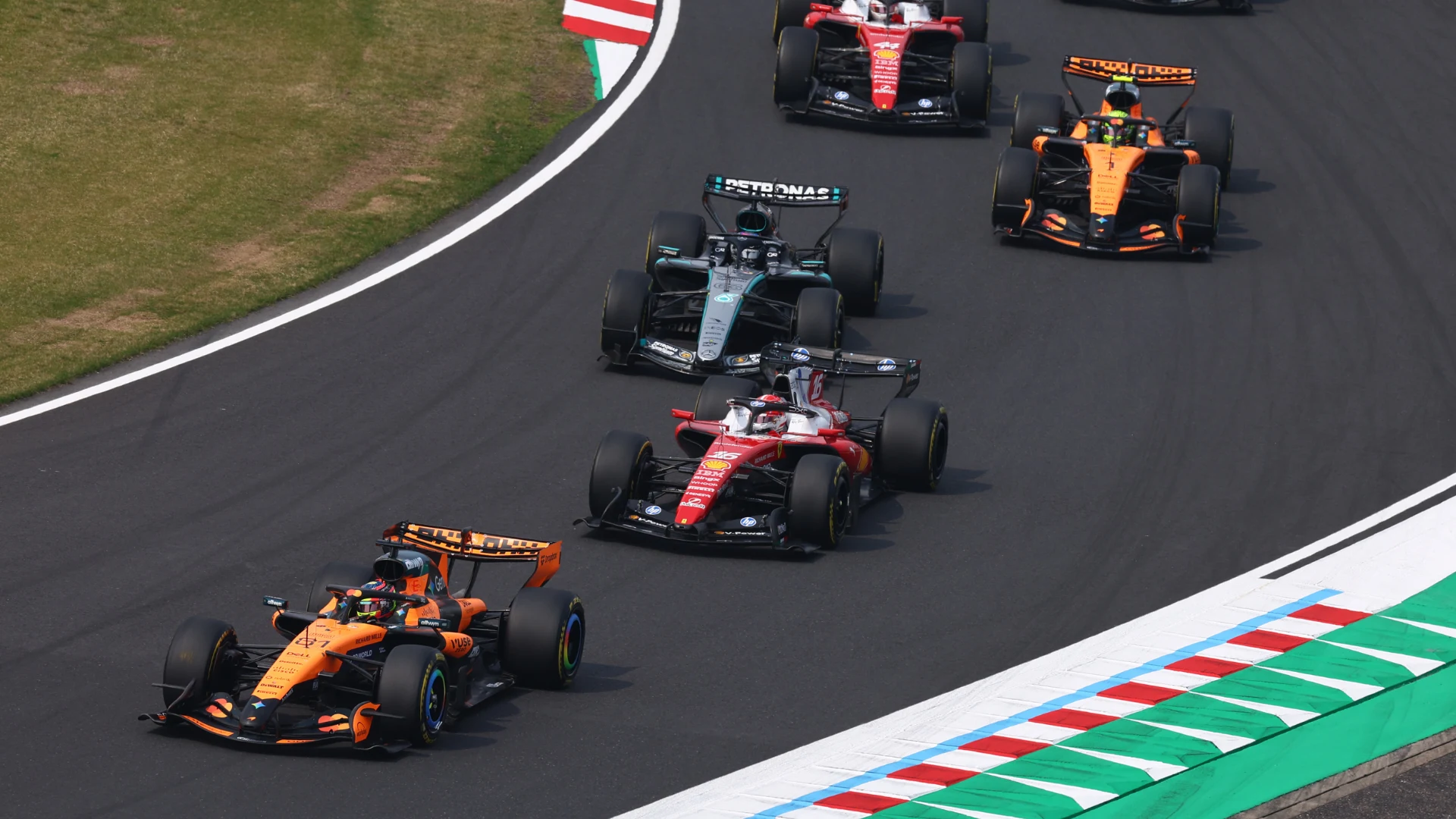
Formula 1's cost cap, which controls a team's annual spend, has increased to $215 million – an increase of $80 million. Why does such a limit exist and why did it go up?
They are two very good questions. Let me deal with the first one, first. What is the cost cap?
Ahead of 2021, Formula 1 broke new ground with the introduction of financial regulations that dictated that teams must operate under a cost cap to help deliver a more competitive championship and ensure the long-term financial stability of all teams.
Before its introduction, spending was unregulated and that allowed richer teams to buy the best people and the best tech and build the best facility – and that would have a direct impact on their on-track performance. The cost cap aims to level things up.
The cost cap covers a team's expenditure which relates directly to the race car's performance. Such a mechanism isn't uncommon in elite sport. The National Football League, National Hockey League and National Basketball Association operate a salary cap, which limits how much a team can spend on the salaries of its players.
Formula 1 cars are the equivalent of a basketball or football player when considering the performance differentiator and therefore the caps are similar in their aims.
Okay – what is included in the cost cap?
Anything that directly impacts performance, so is everything from the amount of money you spend on your research and development for design to the manufacturing costs of new aerodynamic parts, which they hope will make the car faster and reduce lap time.
Legal, HR, finance, marketing and sustainability initiative costs are excluded, as are driver salaries/retainers, the salaries of the three highest-paid staff – which usually includes the Team Principal and Chief Technical Officer, costs related to heritage car programmes and race travel costs.
Gotcha. So, what was the cost cap set at when it was introduced, what is it now and why has it gone up?
It was set at $145m in 2021, reducing to $140m in 2022 and $135m in 2023 – and it remained at that figure up until last year.
All stakeholders agreed that the cost cap had been a success, but as with any new initiative, it is typical to strengthen the rules once they have been in play and reaction has been gauged as to how they have worked.
As a result, some tweaks have been made to make the rules easier to understand, apply and regulate.
The overall cap has increased from a base of $135m plus inflation in 2025 to $215m in 2026. While this might seem like a big rise, it's roughly neutral overall once changes are taken into account.
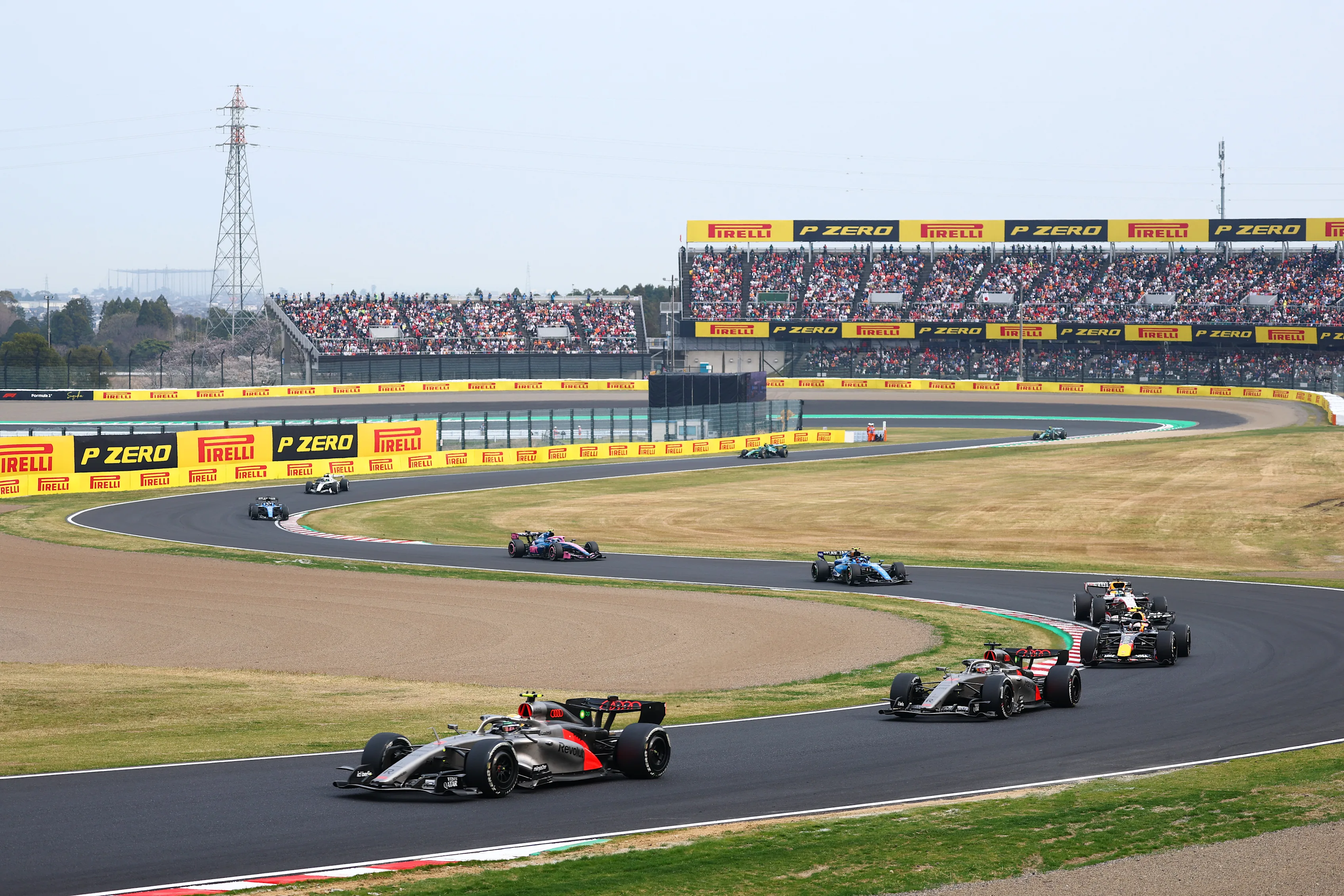
Several costs, which weren't previously included in the cap, now fall into it. For example, the separate capital expenditure cap of $36m over a rolling four-year period has been scrapped and instead the annual depreciation costs are now included.
Meanwhile, the way teams allocate proportions of people's time spent on F1 projects and non-F1 projects has changed. Costs now need to be 100% F1 if any time is spent – and like the addition of the annual depreciation costs, this will push up the costs within the cap.
There are a few other changes too. Health and safety costs have been added as an exclusion in the rules, as have catering costs at team factories and at races.
Teams can roll-forward up to $2m of unspent cap to the following year, while there is a mechanism for an allowance where staff are employed in high-cost jurisdictions, such as Switzerland where Audi is based.
That all makes sense. Now what's this I hear about a power unit cost cap?
Ah, yes. You know your stuff! The power unit cost cap was introduced in 2023, following the successful introduction of the chassis-focused cost cap and focused on controlling how much was spent on the development of the new power units.
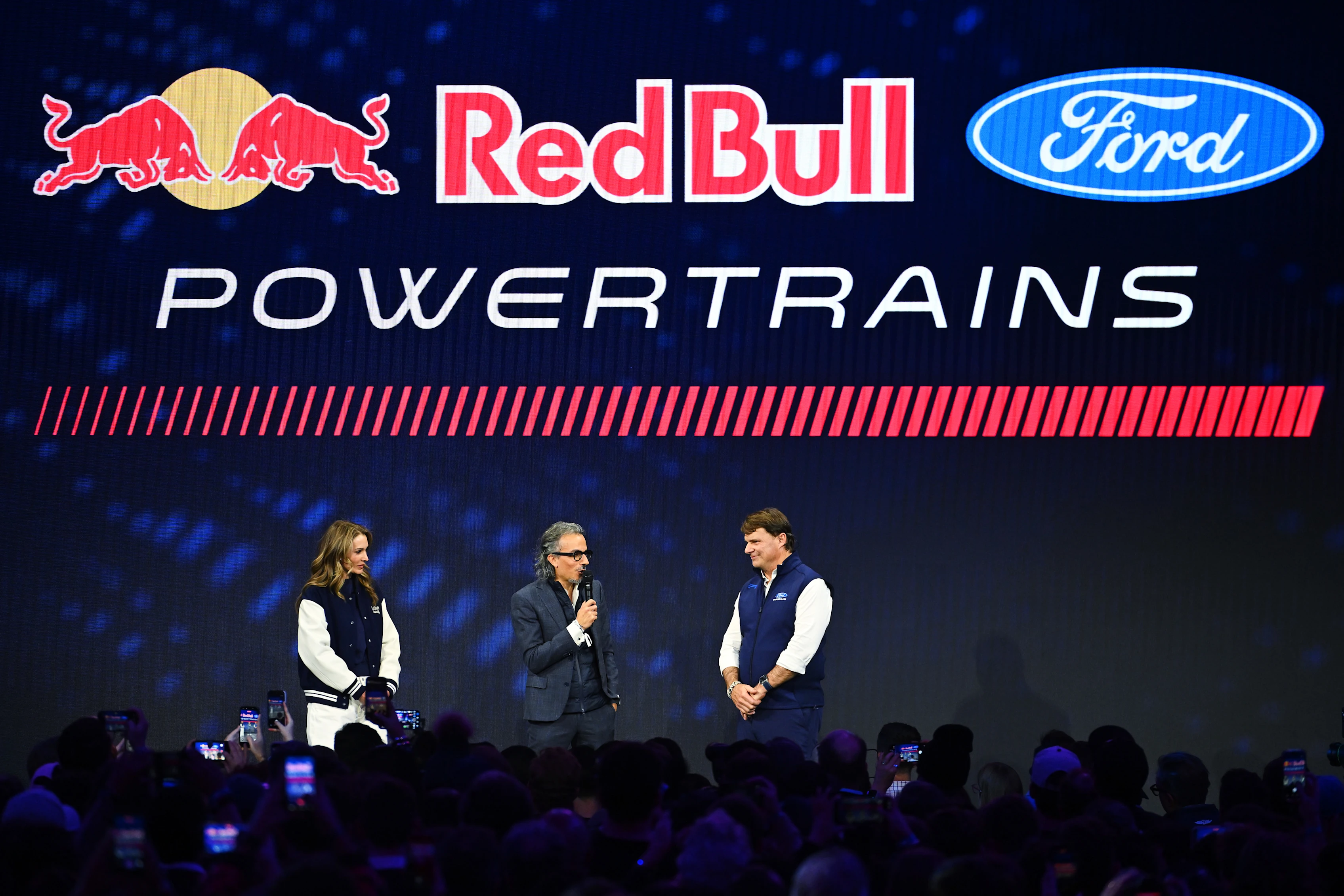
Its existence, as well as the brand-new engine spec that features a 50-50 power split between electric and petrol, played a key role in tempting Honda back to the sport - as well as attracting the likes of Ford, who have partnered with Red Bull Powertrains and Audi to join the party – with General Motors set to debut their new engine in 2029.
The cap was set at $95m plus inflation per year for 2023, 2024 and 2025. Any new manufacturers would be allowed to spend an additional $10m in each of 2023 and 2024 and $5m in 2025 in a bid to help them get up to speed from a standing start.
Okay – and has that one gone up, too?
Yep, it was always intended to be boosted to $130m plus inflation from 2026 to cover the additional costs of manufacturing, supplying and supporting engines being used on track alongside the R&D costs which were included in the previous cap.
However, following discussions with all the stakeholders, the separate capital expenditure cap was removed – and thus it was agreed the cap would be increased to $190m for 2026 and, for any future new manufacturer, it was increased from $95m to $148.5m for the three years preceding the new manufacturer's entry.
For manufacturers who are lacking performance but can't catch up because the engines were homologated (locked in), mechanisms have been put in to offer them some relief through technical and financial allowances in a bid to help them catch up and level the playing field.
You will hear this referred to as “ADUO” which stands for Additional Development and Upgrade Opportunities. The size of the performance deficit will determine how much they are permitted to take advantage of the allowances.
There are similar reliefs on offer for manufacturers to spend outside of the power unit cost cap to make changes for reliability reasons, providing they meet certain thresholds.
Next Up
Related Articles
.webp) UnlockedAll the stories that got the Baku paddock talking
UnlockedAll the stories that got the Baku paddock talking Chadwick completes maiden F1 test with Williams at Portimao
 Norris left with ‘knife in the heart’ feeling after Baku practice
 Cadillac recruit technical leaders from Red Bull and Ferrari
 Alonso and Stroll hit with grid penalties at Azerbaijan GP
  F2: Rodin sweep Baku Qualifying with Dunne and Stenshorne